
4 Indications a Tree Is at High Risk of Toppling in Strong Winds
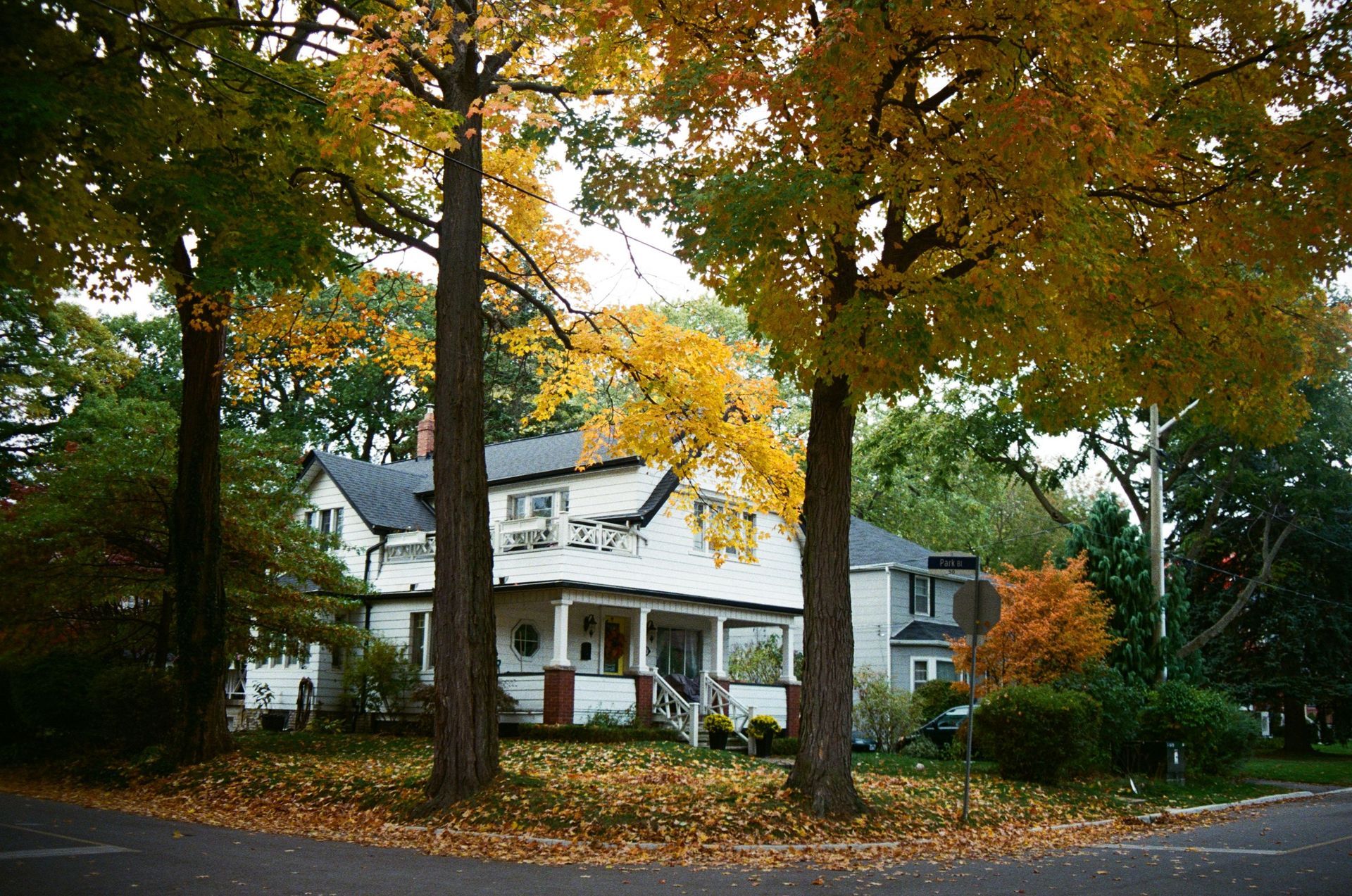
Strong winds can put considerable stress on trees, particularly those that are unhealthy, structurally compromised, or growing in unstable soil. Although even healthy trees can sustain storm damage, certain warning signs indicate that a tree may be at significant risk of uprooting or breaking during high winds. Recognizing these problems early can help you protect your property and keep you safer. At BP Tree Services, our local arborists are experts at identifying and safely removing hazardous trees. Here are four indications that a tree may be dangerously vulnerable to toppling during a storm.
The Tree Has Developed a Noticeable Lean
A tree that suddenly begins leaning or gradually develops a more pronounced angle may have an unstable root system or compromised structural support. Pay particular attention if the ground around the base appears raised, cracked, or disturbed. These conditions can indicate that the roots are shifting and may no longer be securely anchoring the tree. A professional arborist should evaluate a leaning tree, especially if its position has recently changed.
The Trunk Has Large Cracks
Deep cracks and significant cavities in a tree's trunk can weaken its ability to withstand strong winds. These structural defects may make the trunk more likely to separate or break when exposed to heavy gusts. Trees with multiple trunks can be especially vulnerable when the connecting area has developed a substantial crack or weak attachment. It’s best to have an experienced arborist assess these issues before severe weather arrives.
The Root System Shows Signs of Damage or Decay
A healthy root system provides the foundation that keeps a tree upright during storms. But construction activity, soil compaction, excavation, and root disease can compromise this essential support. Mushrooms growing near the trunk, visible root damage, or soft, decaying wood around the base may indicate serious problems. An arborist can evaluate the root zone and determine whether the tree remains structurally stable.
The Trunk Shows Signs of Internal Decay
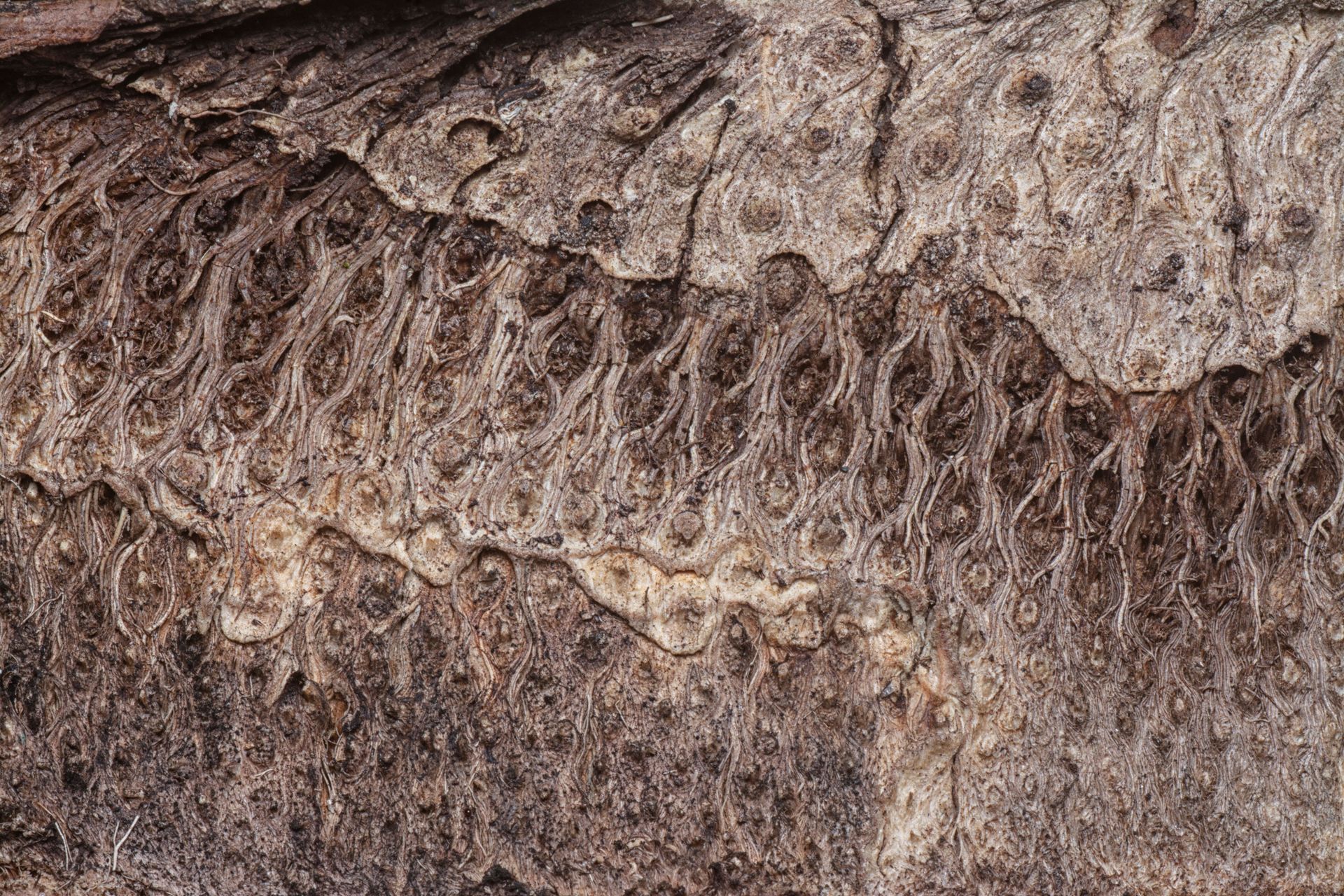
Extensive internal decay can significantly weaken a tree without always being obvious from the outside. Fungal growth, hollow areas, damaged bark, and cavities may indicate deterioration within the trunk. A weakened trunk may be unable to withstand the forces generated by strong winds.
Hazardous Tree Removal in Sacramento, CA
For an experienced arborist in Sacramento and the surrounding area, contact BP Tree Services at (916) 722-6321. Feel free to give us a call to arrange an arborist estimate in greater Sacramento!